
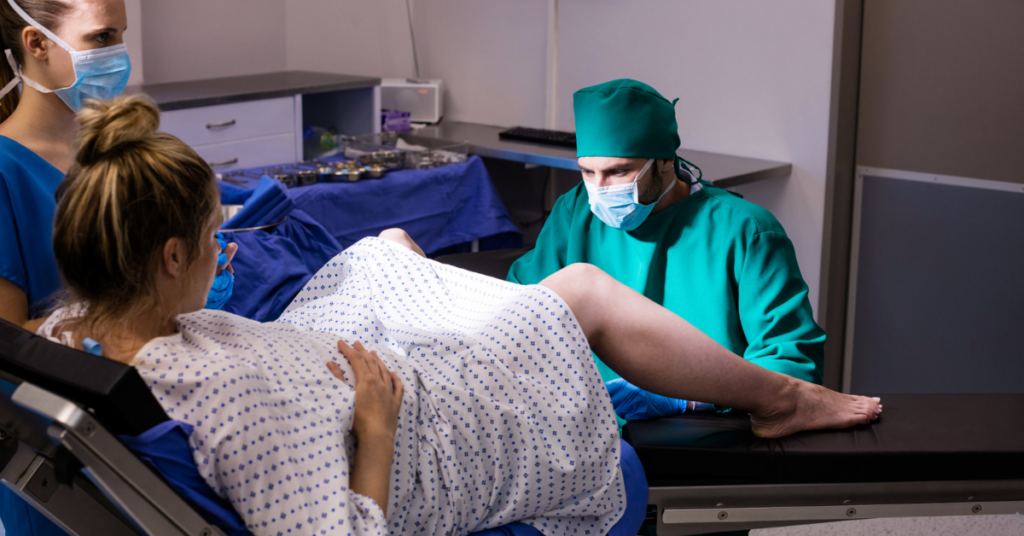
Laparoscopic fibroid surgery is a minimally invasive procedure used to remove uterine fibroids through small incisions in the abdomen. Compared to traditional open surgery, it usually offers less pain, smaller scars, and a faster recovery. However, healing still takes time, and following the right post-operative care is important for a smooth recovery. If you are looking for guidance from an indore best gynecologist, understanding what to expect after surgery can help you feel more confident during the healing process.
What To Expect Immediately After Surgery
After the procedure, you will be moved to a recovery room where your healthcare team will monitor your breathing, blood pressure, and overall condition until the effects of anesthesia wear off.
It is normal to experience mild pain, soreness around the incision sites, or cramping during the first day. Some women also notice shoulder pain caused by the gas used during laparoscopy. This discomfort usually improves within a few days.
Your doctor may encourage you to start walking as soon as it is safe. Gentle movement helps improve blood circulation and reduces the risk of blood clots. Depending on your health and the complexity of the surgery, you may go home the same day or stay overnight for observation.
Recovery Timeline After Laparoscopic Fibroid Surgery
Recovery may vary between patients, depending on the size and number of fibroids removed, overall health, and the type of procedure performed.
First 24 Hours
Most women feel tired after surgery and may need plenty of rest. Mild discomfort, bloating, and light vaginal spotting are common.
First Week
Pain gradually decreases, and walking becomes easier. Many women can perform light daily activities while avoiding strenuous tasks. A gynecologist doctor in indore can advise when it is safe to resume normal routines based on individual recovery.
Two To Four Weeks
Energy levels continue to improve. The incision sites begin to heal, and most women can slowly increase their activity if approved by their doctor.
Full Recovery
Many patients recover within four to six weeks, although healing times differ. Your doctor will recommend the right timeline for returning to work, exercise, and other activities.
Tips For A Smooth Recovery
A few healthy habits can support healing after surgery:
- Walk for a few minutes several times a day.
- Drink plenty of water to stay hydrated.
- Eat fibre-rich foods to help prevent constipation.
- Take prescribed medicines exactly as directed.
- Get enough sleep and allow your body time to heal.
- Avoid lifting heavy objects until your doctor approves.
- Keep the incision sites clean and dry.
- Attend all follow-up appointments with your gynecologist in indore.
Activities To Avoid During Recovery
While you may start feeling better within a few weeks, certain activities should be avoided until your doctor says they are safe.
Avoid heavy exercise, strenuous lifting, smoking, alcohol if advised against, driving while taking pain medication or until you can move comfortably, and sexual intercourse until healing is complete. Similar precautions are often recommended after procedures such as laparoscopic ovarian cystectomy in indore, as the body needs adequate time to recover.
When Should You Contact Your Doctor?
Most women recover well with proper post-operative care, but certain symptoms should not be ignored.
Contact your doctor if you experience:
- Fever or chills
- Heavy vaginal bleeding
- Increasing abdominal pain that does not improve
- Foul-smelling vaginal discharge
- Persistent vomiting
- Redness, swelling, or drainage around the incision sites
- Difficulty passing urine
Early medical attention can help identify and treat complications before they become more serious.
Following your surgeon’s instructions, attending scheduled follow-up visits, and listening to your body’s signals are essential for a healthy recovery. If you have any concerns about your healing, do not hesitate to seek medical advice. Consulting the best gynecologist laparoscopic surgeon in indore can provide personalized guidance and help ensure your recovery stays on the right track.
FAQs
Most women recover within four to six weeks, although some may feel ready for light activities much sooner. Recovery depends on factors such as the complexity of the surgery, overall health.
Many women can return to desk-based work within two to four weeks, while physically demanding jobs may require a longer recovery period.
Yes. Mild pain, abdominal soreness, bloating, and shoulder discomfort caused by the gas used during laparoscopy are common after surgery. These symptoms usually improve over several days.
Choose a balanced diet that includes fruits, vegetables, whole grains, lean protein, and fibre-rich foods. Drinking enough water also helps prevent constipation, which can occur after surgery or while taking pain medicines.
You should seek medical advice if you develop a fever, heavy bleeding, increasing abdominal pain, persistent vomiting, foul-smelling discharge, redness around the incision sites, or difficulty urinating.